
The Best Coffee for Pour Over and Chemex, From a Medium-Dark Roaster
The best coffee for pour over is fresh coffee at a medium-fine to medium grind, roasted the way you like to drink it. Light roasts give a bright, tea-like cup. A medium-dark roast like ours gives a rounder, fuller cup that is good black. Start near 1 part coffee to 16 or 17 parts water, with water around 200°F.
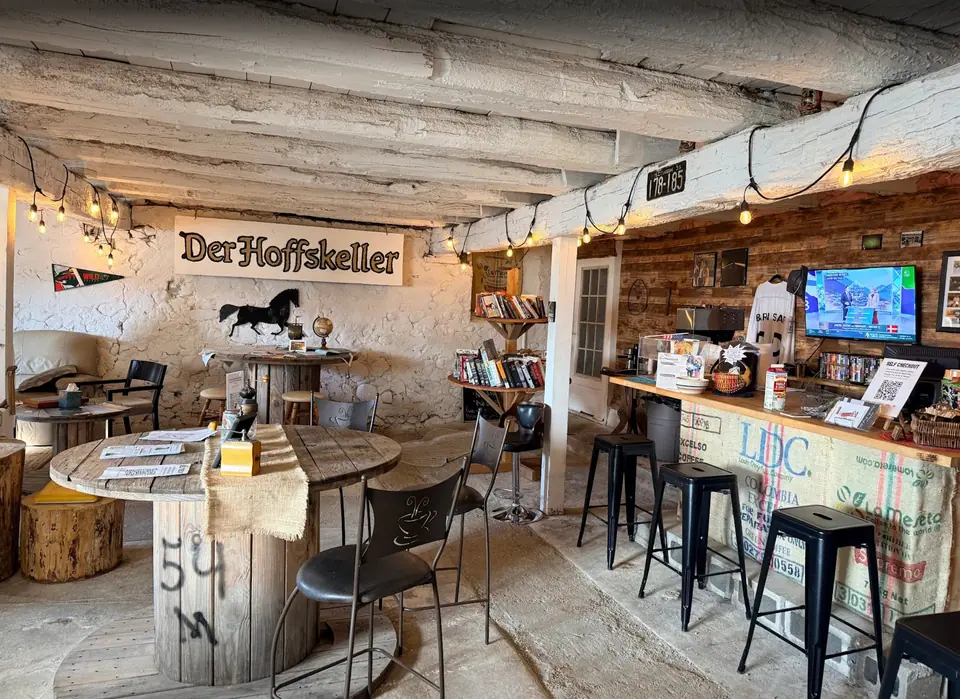
We roast one coffee, a medium-dark Colombian Supremo, in cast iron on our family farm in Cedarburg, Wisconsin. Pour-over culture leans toward light roasts, and that is a fine way to drink coffee. This guide is for the other pour-over drinker, the one who wants a classic, full cup from a cone or a Chemex.
Roast and grind for pour over
Why light roasts and pour over go together. A paper filter holds back most of the oils and fine particles, so the cup tastes clean. That clarity shows off the bright, fruity flavors of a light roast, which is why specialty shops pair the two. Our FAQ puts the difference simply: "Specialty roasters usually roast light to bring out the acidity and fruit notes in a particular lot. We roast medium-dark for a smooth, traditional cup."
What medium-dark brings. In the same clean brewer, a medium-dark roast gives more body and less sharpness. Ours is roasted in the German Norwegian style: one roast that releases beans at different points, so each batch holds a spread of roast levels. Customers describe it as smooth, bold and low in acid, and good black.
“Very unique dark roast with a great delicious bold flavor. Will be trying a pour over after this crazy good flat white pulled on my Turin lever espresso machine!”
Andrew B, Google, August 2026
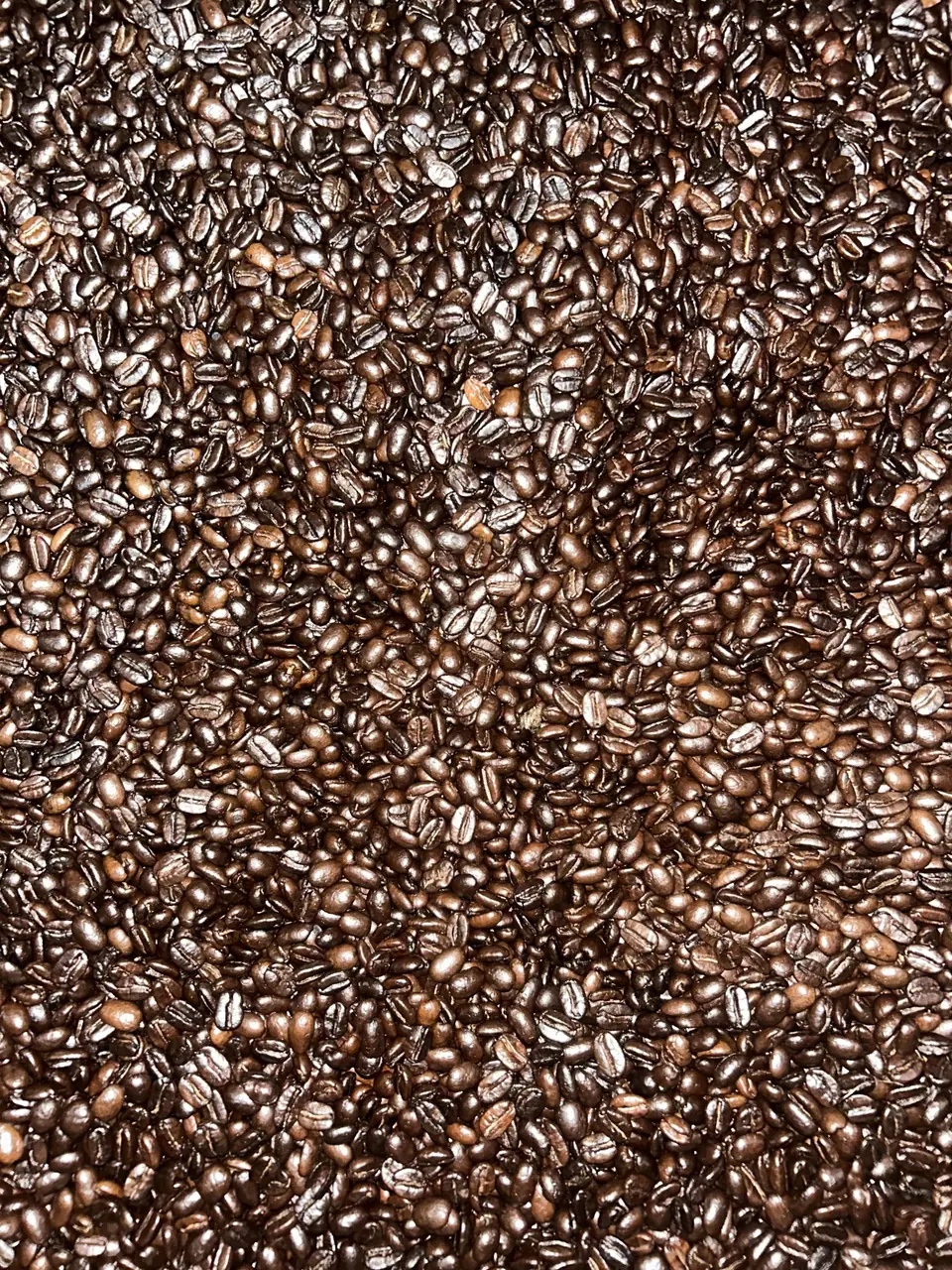
Grind. Most pour-over recipes call for a medium-fine to medium grind: a little finer for a fast cone, a little coarser for a Chemex, whose thick filter runs slower. Too fine and the cup turns bitter, too coarse and it turns weak. Our ground coffee is one medium-fine grind that works for every brew method, and pour over is one of the easiest fits. If you grind at home, order whole bean and grind right before you brew. More in whole bean vs. ground coffee.
“The grind is perfect for pour over coffee makers.”
PD, X, September 2026
An honest note. If what you love about pour over is a bright, fruity cup that tastes of one farm's lot, buy a light roast from a specialty roaster. Ours tastes smooth and rounded rather than bright. If you want a classic cup you can drink without cream, it fits well. More in coffee you can drink black.
A simple pour-over recipe
Pour-over recipes commonly run 1:15 to 1:17, coffee to water by weight (LAMOSE ratio guide). We start at 1:16. Our everyday rule, two tablespoons per six ounces of water, works out to about 1:18 (estimate), a slightly lighter cup from nearly the same start. Other brewers are in our coffee to water ratio guide.
| Brew | Water | Coffee at 1:16 | About (level tbsp) | Bloom water |
|---|---|---|---|---|
| One 8 oz cup | 8 oz (237 g) | 15 g | 3 | 30 g |
| One 12 oz mug | 12 oz (355 g) | 22 g | 4 1/2 | 44 g |
| Two 12 oz mugs | 24 oz (710 g) | 44 g | 9 | 88 g |
Estimates. Assumptions: 1 fluid ounce of water weighs about 29.6 grams, and a level tablespoon of ground coffee weighs about 5 grams. A kitchen scale is surest, but tablespoons work.
- Heat the water to around 200°F, just off the boil. Boiling water poured straight onto the grounds pulls out harsher flavors.
- Rinse the paper filter with hot water and pour that water out. It warms the brewer and washes out the papery taste.
- Add the coffee and shake the brewer gently so the bed sits flat.
- Bloom. Pour about twice the coffee's weight in water, enough to wet all the grounds, and wait 30 to 45 seconds. (One roaster's iced pour-over recipe blooms 35 g of coffee with 70 g of hot water for 40 seconds.)
- Pour the rest in stages, in slow circles from the center out, rather than filling the cone at once. Keep the grounds covered.
- Let it drain and swirl the cup. A single cup usually finishes in about 3 to 4 minutes; a full Chemex takes a little longer.
Too weak? Use more coffee before you change anything else; most weak coffee is under-dosed. Too bitter? Lower the water temperature a little or shorten the brew; if you grind your own, go a little coarser. More fixes in why is my coffee bitter.
Chemex notes
A Chemex is a pour over with a thicker paper filter, so water moves through it more slowly. The cup comes out very clean, and a fuller roast suits it well.
- Seat the filter right. Put the thick, three-layer side against the spout so the paper does not collapse into it.
- If it stalls, use a little less. With our medium-fine ground coffee, if the water sits high or the brew runs well past 5 minutes, use a little less coffee or pour more gently next time. A hard pour stirs fine particles down into the paper.
- Grinding your own? Set it a touch coarser for a Chemex than for a cone.
- Batch size. The two-mug row above, 44 g of coffee to 24 ounces of water, is a good start for a 6-cup Chemex.
Small changes in the dose make a real difference in any pour over. One customer found her cup this way:
“I got my first bag a little bit ago and am using the pour-over method! My cup of coffee tastes great after adjusting the amount in the filter.”
Linda S, Facebook, September 2026
Fresh coffee blooms
When hot water first hits fresh grounds, the bed puffs up and bubbles. That is the bloom: carbon dioxide escaping the coffee. As our FAQ says, "Fresh coffee blooms more. It is a sign the coffee was roasted recently." Coffee that has sat for months has lost most of that gas, and the bed barely rises. The bloom step lets the gas out first, so the rest of the water reaches the grounds evenly.
We roast in small batches on a regular schedule, and our coffee ships within days of roasting in nearly all cases. You do not need to let it rest; any extra bubbling in the first few days does not hurt the cup. Keep it in an airtight container like a Mason jar in a cool, dark cupboard. We advise against the freezer, which brings in moisture. More in Mason jar coffee storage.

Which of ours to buy for pour over
Every size is the same coffee: 100% Colombian Supremo Arabica (Supremo is Colombia's grade for the largest beans by screen size), roasted medium-dark in a cast iron drum roaster on the farm.
- To try it: The Hoff, 1 lb ground, $25, about 20 twelve-ounce mugs at the 1:16 recipe above (estimate: 454 g ÷ 22 g). At standard strength a pound makes about 35 eight-ounce cups (estimate, SCA golden cup).
- For a daily cup: Big Hoff Bag, 2 lb ground, $34, about 40 mugs at the same recipe (estimate). A second bag of the same kind in the same order is $4 off, so two come to $64 and ship free.
- If you grind at home: whole bean, The Hoff, 1 lb or the Big Hoff Bag, 2 lb.
Any bag can also come weekly, every 2 weeks or monthly at a lower price; the Big Hoff Bag is $30 on a monthly subscription. Subscriptions have a two-delivery minimum, and you manage deliveries through a secure emailed link. We do not make decaf, flavored coffee, pods or a light roast. We ship by USPS to US addresses only, free on orders of $50 or more, and orders typically go out within a few business days (see shipping).

Pour over questions
Is medium-dark roast good for pour over?
Yes, if you like a fuller, rounder cup. Pour over is often paired with light roasts because the paper filter shows off bright, fruity flavors. A medium-dark roast in the same brewer gives a clean cup with more body and less sharpness. For bright and fruity, buy a light roast; for classic and smooth, a medium-dark suits you better.
What is the best coffee-to-water ratio for pour over?
Start at 1:16 by weight, for example 22 grams of coffee to 355 grams (12 ounces) of water. Common recipes run 1:15 to 1:17. Our everyday rule of two tablespoons per six ounces of water comes out near 1:18 (estimate), a slightly lighter cup. Adjust from there to taste.
Why is my pour over so slow?
Usually there is too much coffee in the filter, the pour is too hard and fine particles are clogging the paper, or the grind is too fine for the brewer. With pre-ground coffee, use a little less coffee or pour more gently. With whole bean, grind a little coarser. A Chemex filter runs slower than a thin cone filter.
Do I need a gooseneck kettle?
No. A gooseneck kettle makes it easier to pour slowly and in one spot, which helps keep the bed even. A regular kettle works if you pour in small, gentle stages.
A classic cup, poured slowly
Pour over rewards care: fresh coffee, the right dose, water just off the boil and a slow pour. If you want that cup smooth and full rather than bright, our medium-dark is a good place to start. For ratios, roasts and other brewers, see our coffee guides. And if you are near Cedarburg, the barn at 1040 Sherman Road is open every day from 9 to 5, and a cup there is on us.