
Coffee to Water Ratio: One Chart for Drip, Pour Over, French Press, Percolator, Cold Brew and More
For a standard cup, use about 1 part coffee to 18 parts water by weight: about 55 grams of coffee per liter of water, or two level tablespoons per 6 ounces. For a stronger cup, use 1:15 or 1:16. For cold brew concentrate, use about 1 cup of ground coffee to 4 cups of cold water and steep it 12 to 16 hours in the refrigerator.
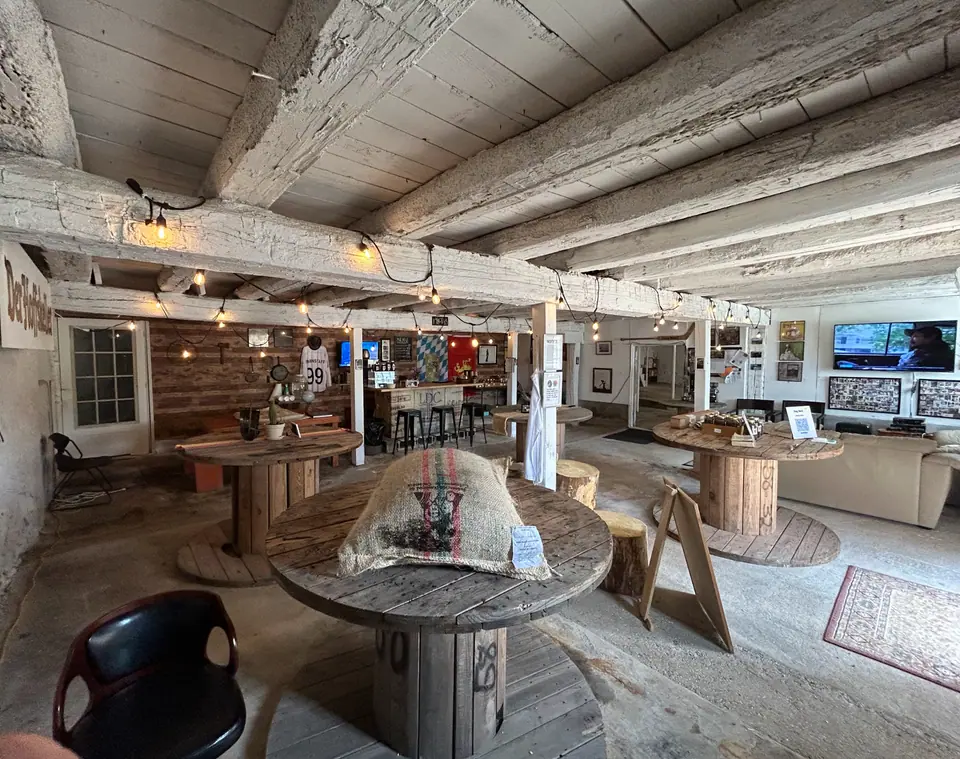
We roast one coffee in cast iron in a barn in Cedarburg, Wisconsin. Below are starting numbers for every common brewer, in grams and in tablespoons.
The golden ratio, explained
A coffee ratio compares the weight of the ground coffee to the weight of the water. 1:18 means 1 gram of coffee for every 18 grams of water, and since a milliliter of water weighs a gram, that is also 18 milliliters.
The Specialty Coffee Association's Golden Cup standard is about 55 grams of coffee per liter, roughly 1:18, as the restaurant software company Toast summarizes it. Many recipes prefer 1:16 for a fuller cup, and Toast gives drip brewers a range of 1:15 to 1:18.
Our own rule, from our FAQ, is simpler: "Start with two tablespoons per six ounces of water." Two level tablespoons of ground coffee weigh about 10 grams and 6 ounces of water about 177, so the rule works out to about 1:18 (estimate). At that strength a pound makes about 35 eight-ounce cups, as we show in how many cups of coffee in a pound.
The ratio sets strength. Grind and brew time set how much flavor the water pulls out. Get the ratio close first.
Ratio by method
Find your brewer and read across. The middle column is for 12 ounces of water, one big mug; for 24 ounces, double it.
| Method | Start at | For 12 oz of water | Notes |
|---|---|---|---|
| Drip coffee maker | 1:18 (2 tbsp per 6 oz) | 20 g, 4 tbsp | 1:16 (22 g) for stronger. Carafe cups: see how much coffee for 12 cups. |
| Pour over | 1:16 | 22 g, about 4½ tbsp | Wet the grounds first, then pour in stages. See our pour over guide. |
| French press | 1:16 to 1:18 | 20 to 22 g, 4 to 4½ tbsp | Steep about 4 minutes, a little less for a lighter cup. See our French press guide. |
| Percolator (stovetop) | About 1 tbsp per cup (our percolator rule) | About 2 tbsp, 10 g, counting 6-oz cups | Perk gently 7 to 10 minutes. Less coffee than drip; see below. |
| Big coffee urn | A little over 1 tbsp per urn cup | Measure by the urn | 100-cup urn: about 7 measuring cups of grounds, 10½ for stronger. |
| Moka pot | Fill the basket level | Set by the pot (about 1:10) | Water to just below the valve, no tamping. See our moka pot guide. |
| Espresso | 1:2 to 1:3, coffee to espresso in the cup | 18 to 20 g for a double shot | Our ground coffee works for espresso as it comes. |
| Cold brew concentrate | 1 cup grounds to 4 cups cold water (about 1:11 by weight) | 6 tbsp, about 30 g | Steep 12 to 16 hours in the refrigerator, strain, dilute to taste. See the best coffee for cold brew. |
| Iced coffee, brewed hot | Double strength (about 1:9) | 8 tbsp, 40 g | Pour it over ice so the melt does not thin it out. See how to make iced coffee. |
Estimates, rounded, at about 5 grams per level tablespoon, 355 grams for 12 ounces of water and about 3 ounces per measuring cup of grounds. Drip, pour over and espresso follow Toast, and the moka pot the LAMOSE ratio guide; French press, cold brew and iced follow our FAQ.
Why the percolator gets its own line
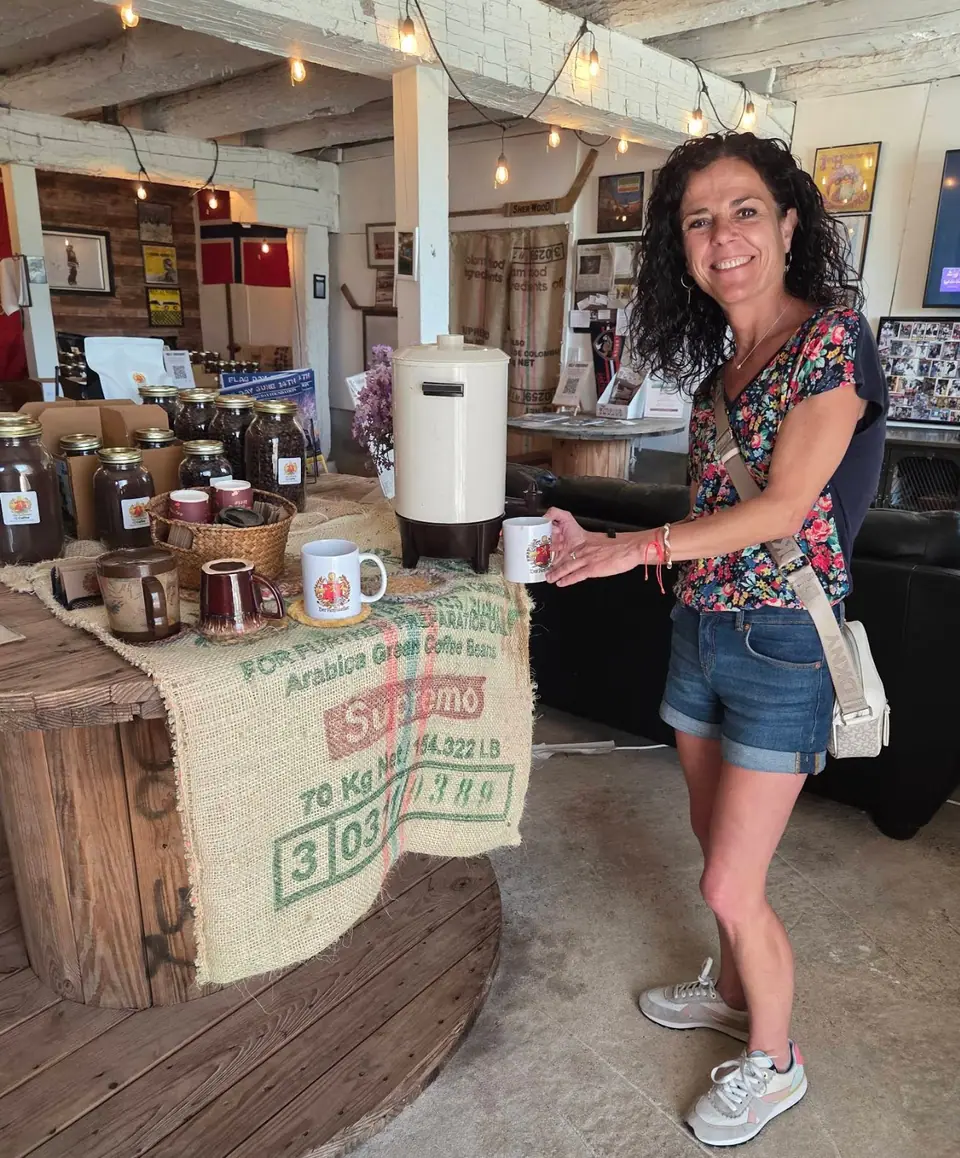
A percolator sends hot water up a tube and back down through the grounds again and again, so it pulls more from less coffee. That is why our percolator guide starts at about 1 tablespoon of coffee per cup of water. Most church and banquet hall urns are electric percolators, and we pour our free coffee at the barn from one. For a crowd, use the urn chart in how much coffee for 100 people.
Measuring without a scale
A kitchen scale is surest, but a level tablespoon gets you close. As estimates, a level tablespoon of ground coffee weighs about 5 grams, a standard scoop holds 2 tablespoons (about 10 grams), and a measuring cup holds 16 tablespoons. Scrape each spoon flat. The standard column is our two-tablespoons-per-6-ounces rule.
| Water | Standard, about 1:18 | Stronger, about 1:16 |
|---|---|---|
| 6 oz (177 g) | 2 tbsp, 10 g | about 2¼ tbsp, 11 g |
| 8 oz (237 g) | about 2⅔ tbsp, 13 g | 3 tbsp, 15 g |
| 12 oz (355 g) | 4 tbsp, 20 g | about 4½ tbsp, 22 g |
| 34 oz, a large French press | about 11 tbsp, 57 g | about 12½ tbsp, 63 g |

Two cautions. Carafe cups are often 5 or 6 ounces, not a mug, so measure what yours holds once; for a full pot, see how much coffee for 12 cups. And measure grounds, not beans: whole beans don't fill a spoon the same way, so weigh them or measure after grinding.
A note from the roaster: darker beans lose more water in the roaster and puff up, so a spoonful weighs a little less than one of light roast. Ours is medium-dark, one roast that releases beans at different points, so each batch holds a spread of roast levels. The 5-gram tablespoon is an average; let your taste decide.
Adjusting to taste
Start at the chart, brew, taste, and change one thing at a time.
- Too weak. Our FAQ: "Use more coffee before you change anything else." Add a tablespoon per pot, or a gram or two per mug. If you grind your own, a finer grind is the next step.
- Too strong. Keep the coffee near the standard amount and add a splash of hot water to the cup. Cutting the coffee far back makes the water pull too hard on too few grounds.
- Bitter. Usually the water spent too long pulling from the grounds. Check the hot plate (coffee left on it keeps cooking), a machine that needs cleaning, and the water, which our FAQ puts just off boiling, around 200 degrees Fahrenheit. More in why is my coffee bitter.
- Flat. Try filtered water if yours is heavily chlorinated or very hard, and store coffee in an airtight container, like a Mason jar, in a cool, dark cupboard.
A customer who brews by pour over put it well:
“My cup of coffee tastes great after adjusting the amount in the filter.”
Linda S, Facebook, September 2026
Fresh coffee gives off carbon dioxide for a few days after roasting, which you may notice as extra bubbling in a pour over. It does not hurt the cup or change the ratio.
Our coffee, and when another suits you better
This chart works for any fresh coffee. If you want decaf, flavored coffee, a light roast or pods, another roaster will suit you better.
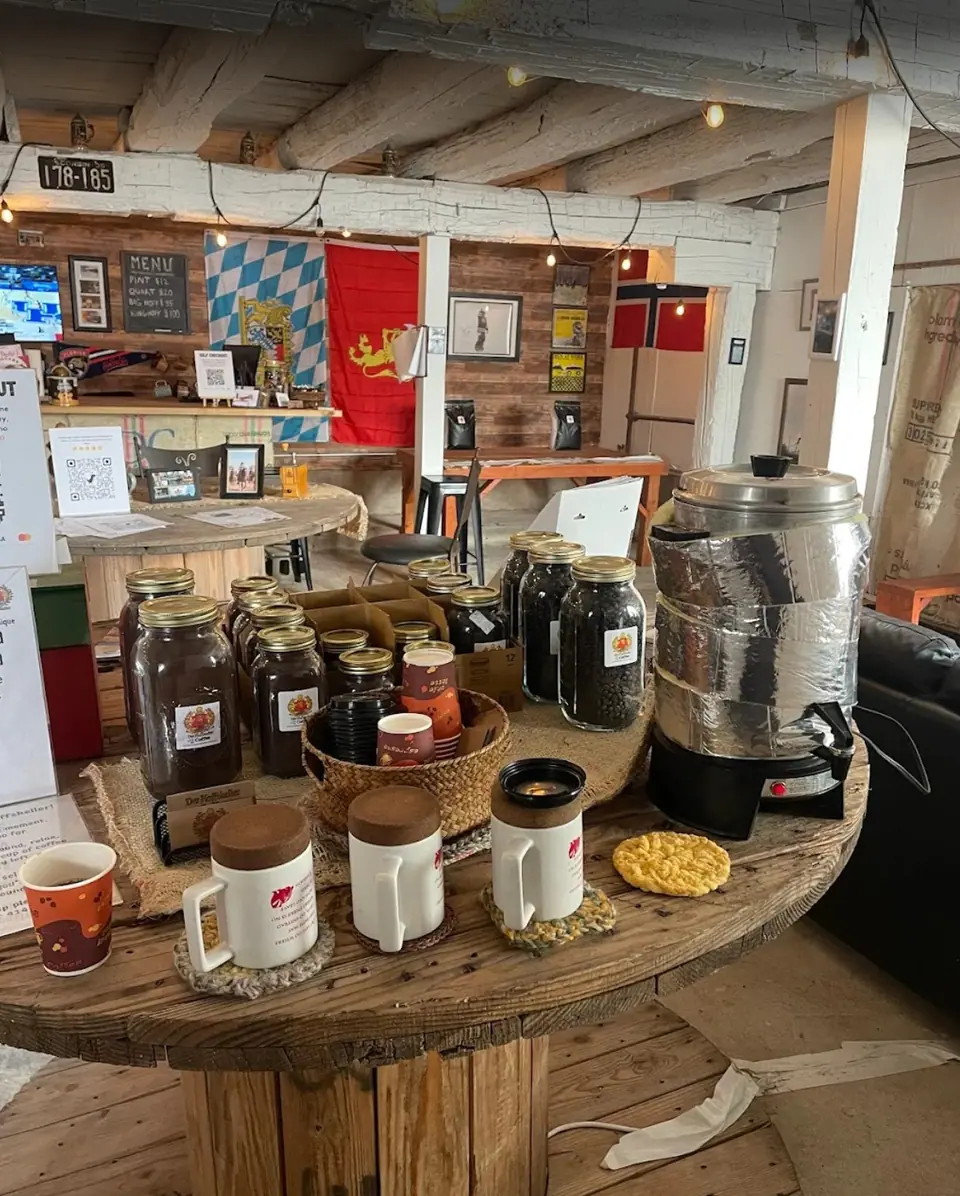
We make one coffee: 100% Colombian Supremo Arabica (Supremo is Colombia's grade for the largest beans by screen size), roasted medium-dark in the German Norwegian style in a cast iron drum roaster on our family farm. Customers describe it as smooth, bold and low in acid, and good black. Ground is one medium-fine grind that works for every brew method, espresso included.
- Big Hoff Bag, ground, 2 lb, $34: about 70 eight-ounce cups at 1:18 (estimate).
- The Hoff, ground, 1 lb, $25: a pound to find your ratio.
- Grind at home? Order the Big Hoff Bag, whole bean.
Shipping is free on orders of $50 or more, by USPS to US addresses. A second Big Hoff Bag of the same grind in one order is $4 off.
Coffee to water ratio questions
What is the golden ratio for coffee?
About 1 part coffee to 18 parts water by weight, or about 55 grams of coffee per liter: the Specialty Coffee Association's Golden Cup standard. Many people brew a little stronger, at 1:15 to 1:16.
How many grams of coffee per cup?
For an 8-ounce cup, about 13 grams at 1:18 or about 15 grams at 1:16. For a 6-ounce cup, about 10 grams. All are estimates.
How many tablespoons of coffee per cup?
Start with two level tablespoons per 6 ounces of water: about 2⅔ tablespoons for an 8-ounce mug and 4 for a 12-ounce mug (estimates). In a percolator, start with about 1 tablespoon per cup.
What is the coffee to water ratio for a French press?
Two tablespoons per 6 ounces (about 1:18), or 1:16 for a fuller cup. A 34-ounce press takes about 11 tablespoons, 57 grams (estimate). Steep about four minutes.
What is the ratio for cold brew?
About one cup of ground coffee to four cups of cold water, steeped in the refrigerator for twelve to sixteen hours, then strained and diluted to taste (our FAQ). That is roughly 1:11 by weight (estimate).
One set of numbers, then your taste
Start at about 1:18, two level tablespoons per 6 ounces of water. Go to 1:16 if you like it fuller, give the percolator, moka pot, espresso and cold brew their own lines, and taste. There are more coffee guides for every other way to brew. Prost from the barn in Cedarburg.